
THE GOLD STANDARD IN POOL CARE
GLB® products have been in backyard pools for more than 60 years. Our formulas are strong and our products are easy to use, helping you get the job done the right way, right away. When it comes to getting the most enjoyment out of your pool, The Great Life Begins Here!®
65 YEARS OF INNOVATION
From shocks to surface cleaners, every GLB® product is rooted in smart science, but you don’t have to be a scientist to use them. That’s why we’ve been The Gold Standard in Pool Care over 6 decades.
Explore our complete line of expert pool care products—including our compact, easy to pour and store granule sanitizers—and count on GLB® for a lifetime of clean, clear and brilliant water.
-
 Find Now
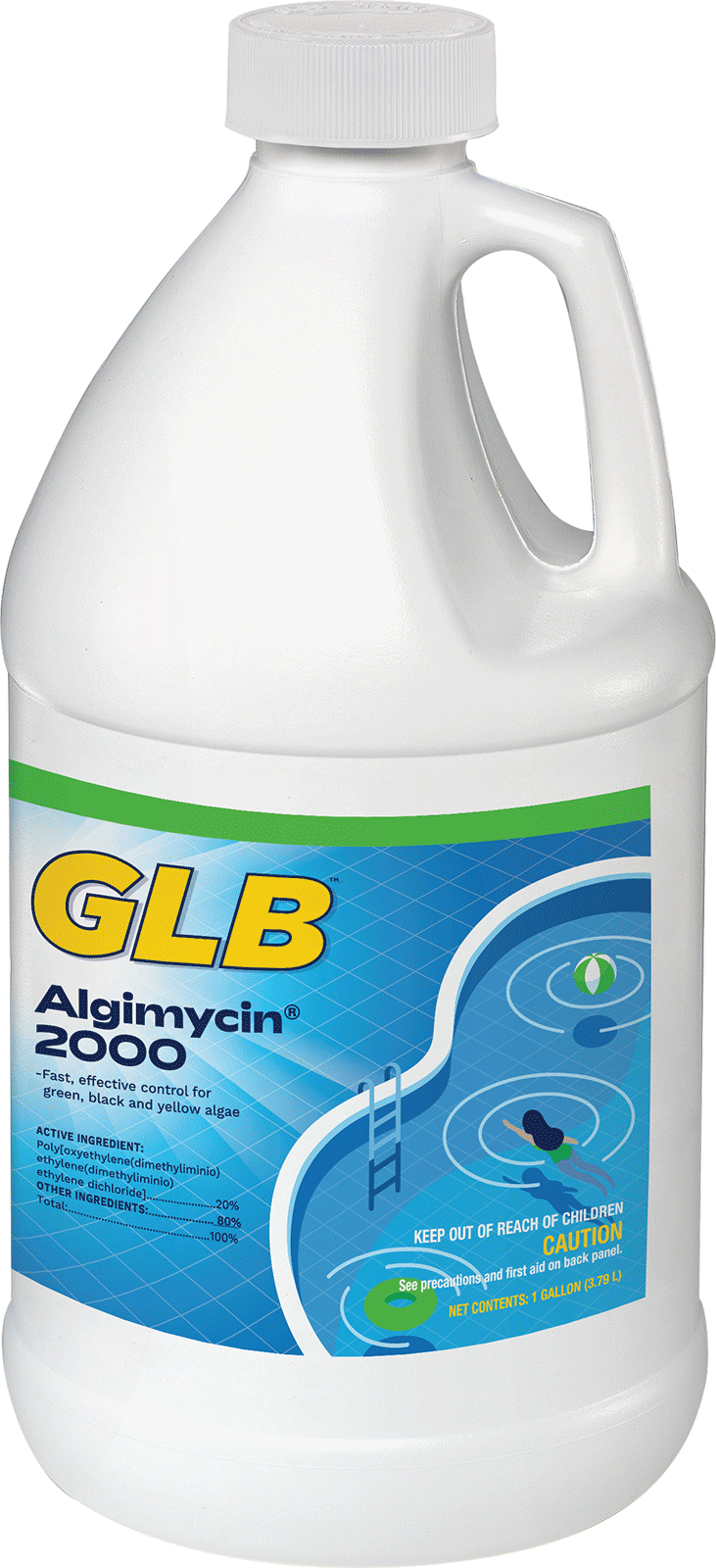
GLB® Algimycin® 2000
This powerful product treats and prevents all algae — one of the most common pool problems.
-
 Find Now
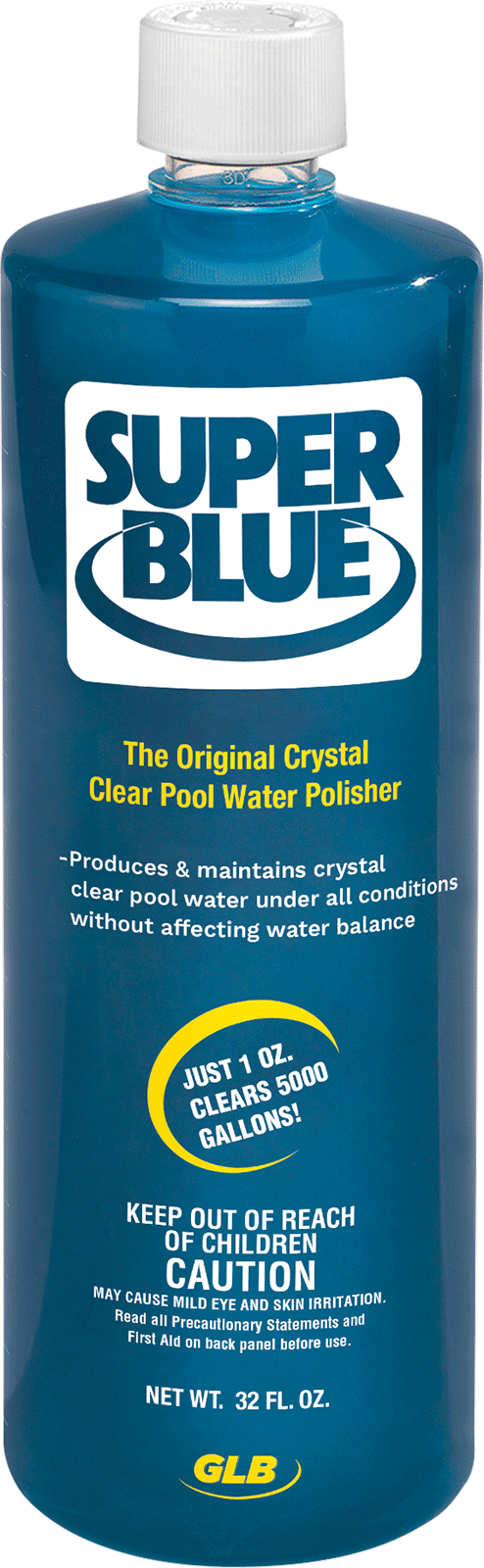
GLB® Super Blue
Cloud water affects nearly every swimming pool. GLB® Super Blue clears and prevents it—fast.
-
 Find Now
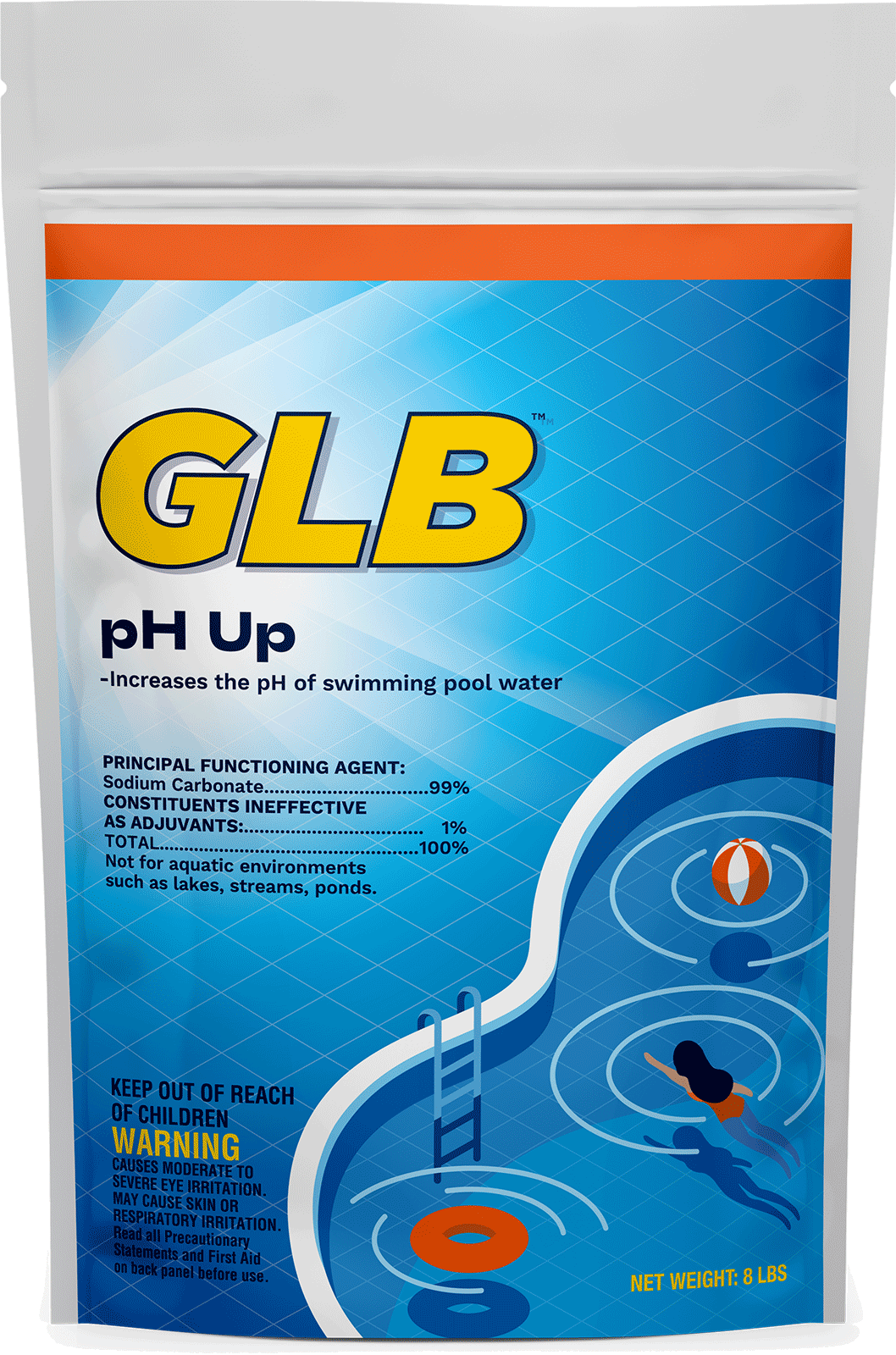
GLB® pH Up & pH Down
Many pool owners face pH fluctuation issues. And they trust GLB balancers to solve them.
-
Clarifiers
From granules to chlorine-free solutions, GLB® has a fast-acting, dual-action formula to create sparkling water in your pool.
see all -
Balancers
Maintain the proper pH levels in your pool and create comfortable water for your swimmers.
see all -
Algaecides
Rid your pool of yellow, green and mustard algae with effective and easy-to-use algaecides.
see all -
Sanitizers
Our Cal Hypo sanitizers are the most powerful in the industry, pound for pound. They are dry, easy-to-use and come in various pack sizes.
see all -
Cleaners
From pool surfaces, liners and covers to filters, GLB® has the fast-acting, no-nonsense formula you need to keep your pool looking beautiful from top to bottom.
see all
SCIENCE IS OUR FIRST INGREDIENT
From our very first product developed by Dr. Robert Stern, a microbiologist and GLB®’s founder, to the industry’s very first non-chlorine shock, GLB® has been pouring science and innovation into our products to make water care effective and easy for all pool owners. And when questions arise, as they always do, we’re here to provide straightforward solutions.
GLB™ POOL CARE GUIDE
EXPERT POOL SOLUTIONS
GLB™ is your trusted resource for professional pool water care. From sanitizing and safety handling to pool opening and closing, find helpful how-tos and quick solutions in our Pool Care Guide.